Staying injury-free is a critical part of consistent training and long-term progress. Whether you’re new to strength training or a seasoned lifter, workout injuries – from muscle strains to joint pain – can halt your gains and disrupt your fitness goals. Fortunately, research-informed strategies let you train safely and effectively.
1. Warm Up Properly Before Every Workout
A good warm-up prepares your muscles and joints for physical stress by increasing blood flow and mobility. Medical authorities recommend
● 5–10 minutes of light cardio
● Dynamic stretches that target the muscles you’ll use in your session
Examples:
●Leg swings and hip circles before lower-body strength days

●Arm circles and band pull-aparts before pressing movements
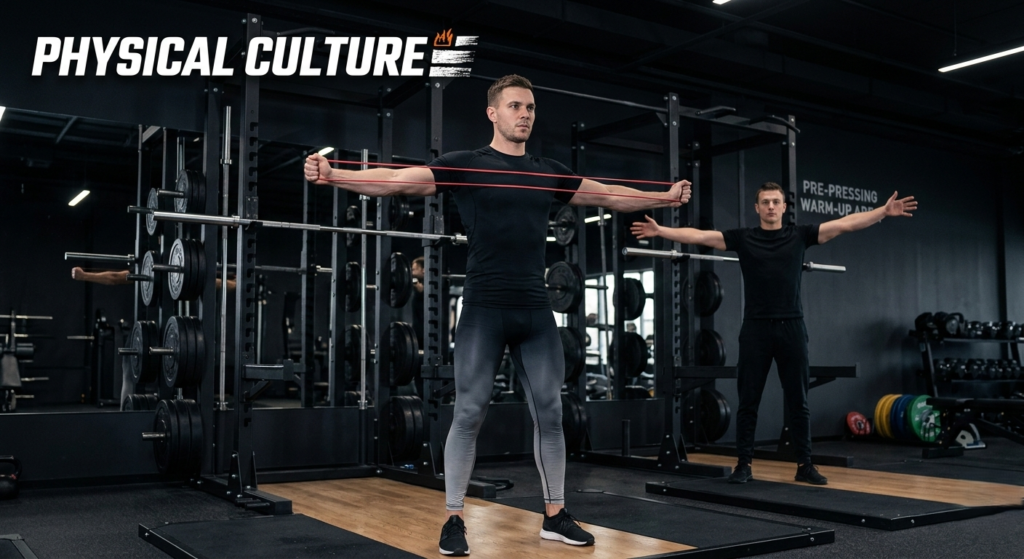
Skipping this step is one of the most frequent causes of exercise injuries, especially strains and sprains.
2. Always Use Correct Form
Poor technique places unnecessary stress on joints and connective tissue. Without proper form, even moderate weights can become dangerous.
Best practices include:
✔ Learn each lift from a certified trainer
✔ Film your sets to self-correct
✔ Avoid “ego lifting” – only increase load when your form stays tight
Our team at Physical Culture Brooklyn provides expert coaching to help you refine your mechanics, check out our functional training programs for hands-on support. If you’re recovering from a previous injury or dealing with persistent pain, working with a Sports Rehab Injury Specialist in Brooklyn can help identify movement imbalances and prevent chronic dysfunction before it limits your progress.
3. Progress Gradually
Rapid increases in weight, volume, or intensity are a major driver of overuse injuries. Medical sources recommend incremental progress so your body can adapt.
Tips:
● Add small weight increments each week

● Increase overall training load gradually
● Never double your training intensity overnight
A balanced approach helps your connective tissue, nervous system, and muscles adapt without injury.
4. Vary Your Training (Cross-Training)
Repeating the same movements daily leads to overload and breakdown – a common source of strains, tendinitis, and joint pain. Medical guidance suggests adding:
● Aerobic cardio
● Flexibility work
● Strength training for all major muscle groups
● Low-impact activities like rowing or cycling
This cross-training approach reduces overuse injuries and improves overall fitness.
5. Listen to Your Body
Pain is your nervous system’s warning signal. According to clinical sources, you should differentiate between:
● Soreness – normal after intense training
● Sharp or joint pain – not normal and a sign to stop immediately
If pain persists, consult a healthcare professional before returning to heavy workouts. A qualified Sports Rehab Injury trainer in Brooklyn can also assess your movement patterns and design a safe return-to-training plan.
6. Prioritize Recovery
Recovery prevents micro-damage from becoming macro-injuries. Harvard Health suggests:
● 7–9 hours of sleep
● Active rest days
● Foam rolling or stretching post-workout
Rest and recovery are training tools – not optional extras.
7. Strengthen Supporting Muscles
Weak stabilizing muscles (like core or glutes) increase injury risk in heavier lifts. Medical orthopaedic advice emphasizes strengthening:
● Core
● Hips
● Hamstrings
● Back muscles
Strong support muscles provide stability, reduce joint stress, and improve performance.
8. Hydration & Nutrition Matter
Dehydration increases muscle fatigue, leading to poor form and injury risk. Stay well-hydrated and fuel your workouts with balanced macronutrients. Proper nutrition supports recovery and tissue repair – essential when training hard consistently.
Final Thoughts: Train Smarter, Longer, Better
Preventing workout injuries isn’t about training less – it’s about training smarter. Consistent warm-ups, proper form, adequate recovery, and gradual progression create a foundation that keeps you on track toward your goals.
If you want personalized coaching on safe strength training, explore our strength training classes in Brooklyn and learn how to get stronger without setbacks.
FAQs
What causes most workout injuries?
Most happen from poor warm-up, improper form, overuse, or training too hard too fast.
Can stretching prevent exercise injuries?
Stretching helps flexibility and tissue preparation, but must be done correctly – dynamic before and static after workouts.
How much rest do I need between workouts?
Schedule rest days based on your training intensity – at least 1 to 2 per week is ideal for most programs. Fitness authorities emphasize recovery to prevent injury.