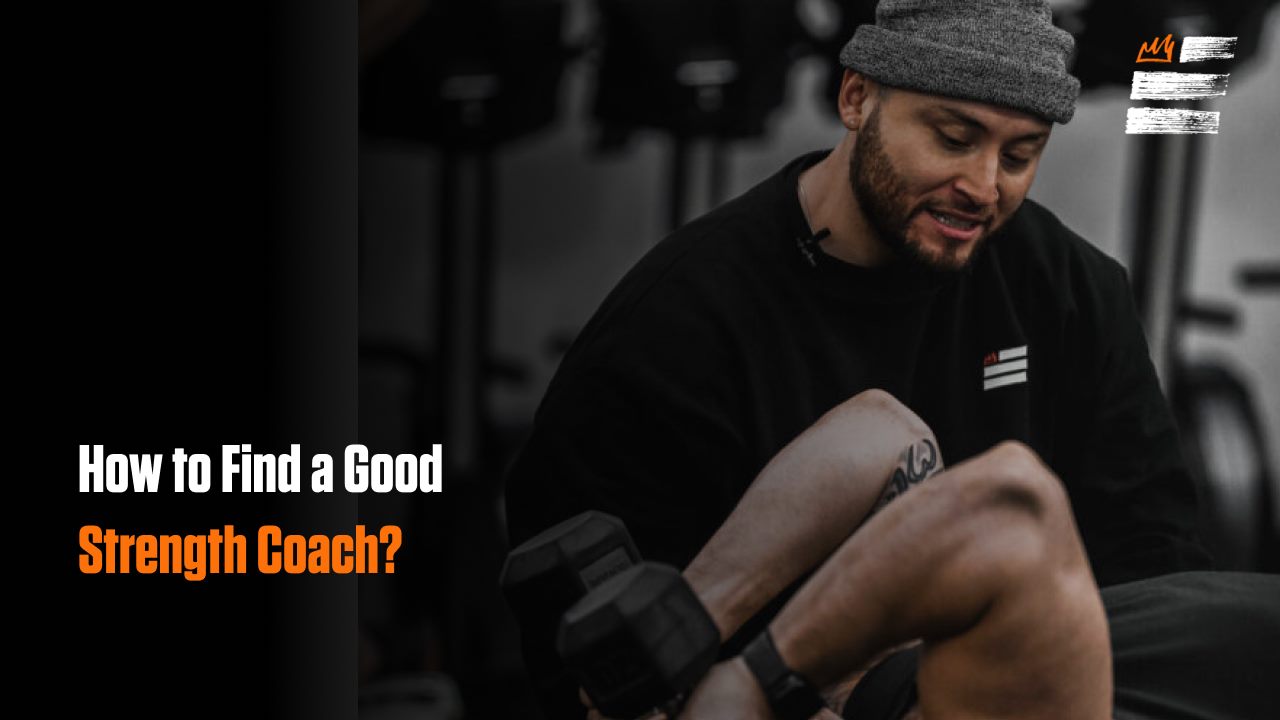
You can find a good strength coach by looking for proper certifications, athlete training experience, and personalized coaching methods. A qualified professional should focus on safe progression, recovery, movement quality, and long-term sports performance training results. Reading reviews, observing communication style, and evaluating the training environment can help you choose the right coach for your goals.
Understand What a Strength Coach Actually Does
A professional strength and conditioning coach focuses on improving athletic ability through structured programming and movement development. Their role goes beyond basic gym workouts. They evaluate performance limitations, identify movement weaknesses, and create systems that support long-term improvement.
A quality coach typically helps athletes:
- Improve movement mechanics
- Build strength and power
- Increase speed and coordination
- Enhance recovery efficiency
- Support long-term durability
Look for Proper Certifications and Education
Education is one of the most important indicators of coaching credibility. Trusted certifications demonstrate knowledge of biomechanics, exercise science, and athlete safety principles.
Reliable qualifications may include:
- CSCS certification credentials
- NSCA coaching certifications
- Sports science education background
- Kinesiology degree specialization
- Exercise physiology knowledge
A coach involved in athletic development should also stay updated with modern training research and evidence-based methods.
Evaluate Real Coaching Experience
Experience matters because every athlete responds differently to training stress and recovery. Coaches who have worked with various age groups and sports are often better at adjusting programs for individual needs.
Important experience indicators include:
- Worked with competitive athletes
- Built structured training systems
- Managed recovery and progression
- Developed youth athlete programs
- Applied sport-specific methods
Observe Communication and Coaching Style
Strong communication creates better athlete confidence and accountability. Athletes should feel comfortable asking questions and receiving constructive feedback.
Good communication habits include:
- Clear exercise demonstrations provided
- Positive correction techniques used
- Realistic goals clearly discussed
- Consistent athlete encouragement offered
- Individual concerns carefully addressed
Effective performance coaching requires more than motivation. Coaches should explain why exercises matter and how they connect to performance goals.
Make Sure Programs Are Personalized
Every athlete has unique strengths, weaknesses, recovery abilities, and sport demands. Generic workout templates rarely produce optimal results.
A personalized athlete training program often includes:
- Individual movement assessments
- Strength progression planning
- Mobility and recovery strategies
- Sport-specific conditioning methods
- Customized workload adjustments
Professionals who incorporate functional strength training can help athletes improve movement efficiency while supporting overall athletic performance.
Prioritize Injury Prevention and Recovery
A quality coach understands that performance improvement should never come at the expense of long-term health. Sustainable progress requires proper technique, recovery management, and movement preparation.
Important safety practices include:
- Structured warm-up protocols
- Recovery-focused programming methods
- Mobility training integration included
- Safe progression systems applied
- Injury prevention training emphasized
Athletes who recover properly often perform more consistently and avoid unnecessary setbacks.
Assess the Training Environment
The training environment reflects the professionalism and standards of a coaching program. Organized facilities often indicate structured coaching systems and better athlete support.
Positive facility indicators include:
- Clean organized training areas
- Safe equipment management systems
- Supportive athlete community culture
- Professional coaching supervision present
- Structured training session schedules
Facilities focused on athletic performance training usually prioritize both athlete safety and performance progression.
Check Reviews and Athlete Testimonials
Testimonials and reviews can reveal valuable insights about coaching reliability, professionalism, and athlete satisfaction. Look for consistent feedback related to long-term progress rather than exaggerated transformations.
Reliable review indicators include:
- Positive athlete development stories
- Professional communication consistently mentioned
- Measurable performance improvements shared
- Long-term athlete retention observed
- Supportive coaching environment highlighted
Athletes often benefit most from coaches who focus on consistency and sustainable progress.
Focus on Long-Term Athletic Development
Athletic improvement is a gradual process that requires structured progression and patience. Coaches who emphasize long-term development usually produce stronger and healthier athletes.
Key long-term development factors include:
- Progressive overload systems applied
- Balanced conditioning methods used
- Recovery and mobility prioritized
- Movement quality consistently monitored
- Speed and agility training integrated
Long-term systems help athletes improve performance while maintaining physical durability.
Common Mistakes When Choosing a Coach
Many athletes select coaches based only on social media popularity or intense workout videos. However, flashy content does not always reflect professional knowledge or coaching quality.
Avoid coaches who:
- Promise unrealistic rapid results
- Ignore recovery and mobility
- Use identical athlete programs
- Focus only on exhaustion
- Neglect movement quality fundamentals
The best strength and conditioning coach focuses on education, progression, and sustainable improvement.
Why Choose Physical Culture Brooklyn?
Choosing the right training environment can make a major difference in athletic progress. Physical Culture Brooklyn focuses on structured coaching, movement quality, and long-term athlete development rather than generic workout routines.
Athletes looking for professional sports performance training often benefit from a system that combines education, recovery awareness, and individualized progression.
Benefits of Training Here
- Personalized athlete-focused programming
- Professional coaching environment maintained
- Structured strength development systems
- Mobility and recovery integration
- Supportive athlete training culture
- Goal-oriented performance coaching methods
- Safe progression strategies applied
- Functional strength training approach
- Movement quality consistently prioritized
- Long-term athletic development focus
FAQs
What does a strength coach do?
A strength coach helps athletes improve physical performance through structured training focused on strength, mobility, conditioning, recovery, and movement quality.
How do I know if a coach is qualified?
Look for certifications, coaching experience, sports science education, and evidence of successful athlete development.
Is sports performance training only for professional athletes?
No. Sports performance training can benefit beginners, youth athletes, recreational players, and competitive performers at all levels.
Why is personalized programming important?
Customized programs help athletes train according to their goals, recovery ability, sport demands, and movement limitations.
What should I ask during a consultation?
Ask about certifications, training philosophy, recovery methods, athlete assessments, and experience working with your sport or age group.
How important is recovery in athletic training?
Recovery is essential for performance improvement, injury reduction, and long-term physical development.
Can strength training improve speed and agility?
Yes. Proper speed and agility training combined with strength development can improve movement efficiency, explosiveness, and athletic coordination.
How often should athletes work with a coach?
Training frequency depends on goals, sport demands, recovery ability, and current fitness level. Most athletes benefit from consistent weekly coaching sessions.