
LOOK LIKE YOU LIFT.
Coaching in Gowanus for men and women who want to build muscle, lose fat, and look like they lift.
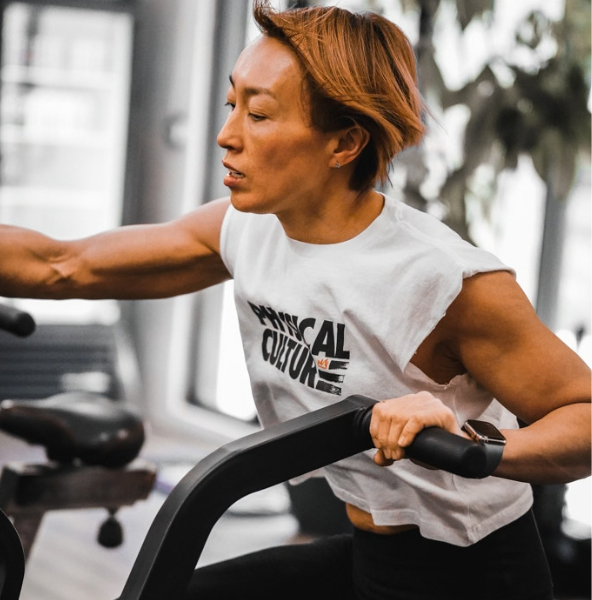
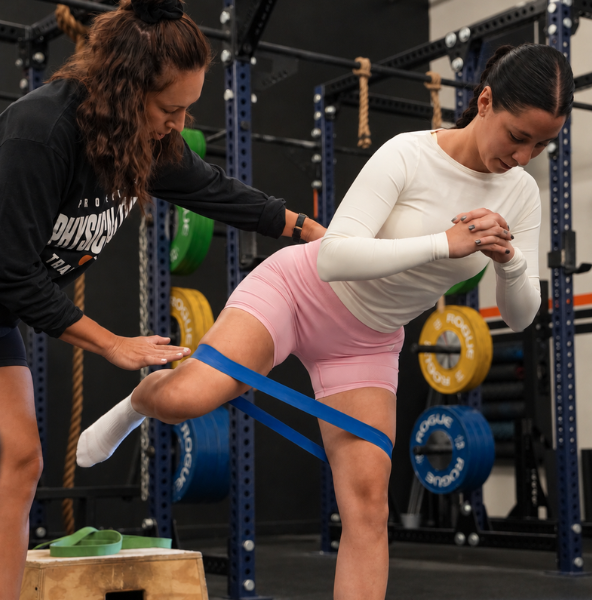
Building muscle and losing fat are not mysteries. Progressive overload, enough protein, enough sleep, repeated for longer than feels reasonable. The knowledge is free but the results come from relentless execution.
That’s what coaching is: an exercise in discipline, with a second set of eyes on it. Your program progresses on purpose, built against your assessment instead of copied from the internet. The InBody 580 body composition scan measures muscle and fat by segment, so progress is a number, not a mirror feeling. Everything is tracked, which means nowhere to hide and nothing to guess.
There is no scoreboard here and no event to peak for. You look better, you feel better, and life gets better. That compounds.
John leads our body composition and hypertrophy coaching, and behind him is a bench that lives it: coaches who have built muscle, cut fat, and kept both through their own busy decades. Every client gets a lead coach who owns the program, watches the numbers, and adjusts as your body and your life change.
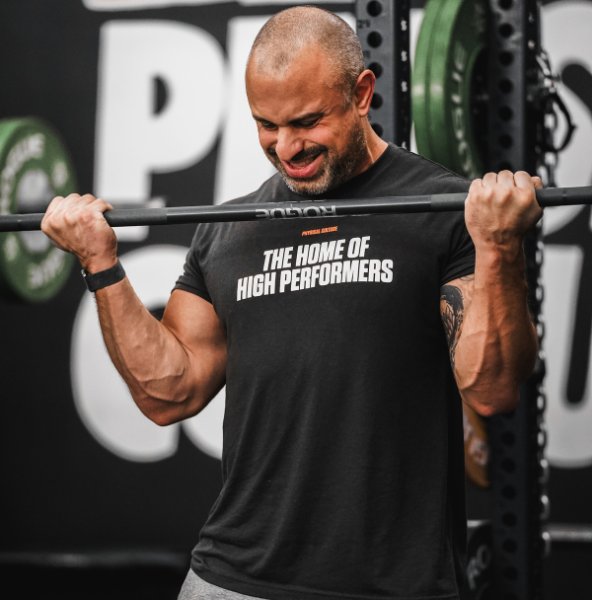
Building, leaning out, or both at once. If your goal is not here, ask.
Hypertrophy programming: volume, tension, and progression that add visible size.
Getting leaner while keeping the muscle, without living on a treadmill.
Body recomposition: less fat and more muscle at once, slower, measurable, and worth it.
Habit-based coaching: protein, food quality, and consistency. No 800-calorie meal plans.
Your first year of progressive training, taught right from day one.
A free call with Brian, our founder. Your goal, your history, your schedule, and whether we are the right fit.
Your coach measures body composition on the InBody 580 plus strength and movement baselines. The starting point, in numbers.
A program built for your goal and your recovery: training, protein targets, and progression, delivered in CoachRx.
We retest body composition every 4 to 6 weeks. Everything points to one place: a body that shows the work.
It depends on whether you are a beginner, intermediate, or years in. For fat loss, one to two pounds per week is a healthy range at Physical Culture Brooklyn; muscle gain moves much more slowly. And you will feel results before you see them: strength, energy, and work capacity move first, the mirror lags. There is no magic four-week or twelve-week program. The best program is the one you can run consistently for the rest of your life.
Yes, especially if you are newer to training or coming back from time away, and the InBody 580 tracks trends in both. That said, we usually prioritize one direction at a time and cycle through building and leaning phases; it is more predictable. If you are close to your goal, recomposition is still doable, but it moves slowly and asks more of your nutrition, lifestyle, and recovery, because there are only so many hours of training a week can hold. Past that point, the kitchen and the pillow do the work. Either way, we track everything.
About 0.7 to 1.0 grams per pound of body weight is a strong working range, consistent with the research. The higher end matters most when cutting, to protect muscle while calories drop. Beyond the number, eating protein-first keeps you full, speeds recovery, and crowds out the calories that were not doing you any favors. Hitting your target daily matters more than optimizing it.
Not by accident. Muscle is denser than fat, so many women stay around the same weight while looking visibly smaller and more defined. Getting genuinely bulky is hard, deliberate work that takes years of progressive training and enough food to support it. Genetics and frame vary person to person, but the general rule holds: lifting makes you leaner and more toned, and it makes fat easier to lose, not harder.
Usually: consistency without progression. Training that never gets hard enough to force adaptation, a deficit that never stays consistent enough to show, or sitting at maintenance calories when the goal requires a direction. Consistency is the entry fee, but change requires enough effort, in one specific direction, held long enough to matter. That focus is most of what the coaching is.
Not forever. We often have clients track macros for a week or two to recalibrate portions and see what they are actually eating, and it is eye-opening every time. But expecting someone to count every calorie while running a career, a family, and a life is unrealistic, and we know our clients are burning the candle at both ends. The sustainable version: a daily protein target as the guardrail, repeatable food choices, and enough awareness to match the goal.
No. People 40 and beyond build muscle and strength well into older age; the research is clear on it, and our client roster proves it weekly. The response slows a little with age, but this is a use-it-or-lose-it situation: muscle stays trainable for life. It just stops waiting around for you.
Our most successful clients keep a consistent two to three days a week. One day beats zero, and more is not automatically better: plenty of people train five or six days without progress because there is no structure, no progressive overload, or not enough recovery. They are spinning their wheels. Two to three focused days, held steady, build real results, and we titrate up or down as your life allows.
Not strictly. Fat loss comes from an energy deficit, and nutrition and strength training can carry that on their own. That said, cardio is genuinely good for your heart and your metabolic health, and we encourage it, with one rule: the best cardio is the kind you enjoy. A recreational sport, a combat class, dancing, anything you will actually repeat beats mindless laps. You don’t need it to lose fat. It just makes it easier.
Yes, we can help! See our Medical Wellness page.
Every client starts with a free 15-minute consult. Tell us what you want to build and we’ll handle the how.
Smart. Before you spend a dollar, take our free 5-minute fitness evaluation. We’ll send back your three biggest priorities and what to do about them. You might find out you don’t need us at all.
Take Our Free Fitness Evaluation
Already know you want to talk? Book a free consult.
