
TRAIN WITH IT, NOT AROUND IT.
A diagnosis is not a verdict. It’s a constraint, and constraints are what coaching is for.
The constraint is different for everyone. For one person it’s mobility. For another it’s fatigue, joint pain, power output, or a flare pattern that shows up uninvited. The assessment finds yours: what you can load today, what you cannot, and where the weak link is that the rest of your body has been covering for.
Then we build. Rest alone rebuilds nothing; most chronic pain has weakness underneath it, so the answer is strength around the joint, around the tendon, around the limitation. Capacity, ease of movement, blood flow, and the boundary inched outward month after month. Some days we push. Flare days we adjust, not abandon. And if you work with a doctor or physical therapist, we coordinate and share notes, so your training and your care move in the same direction.
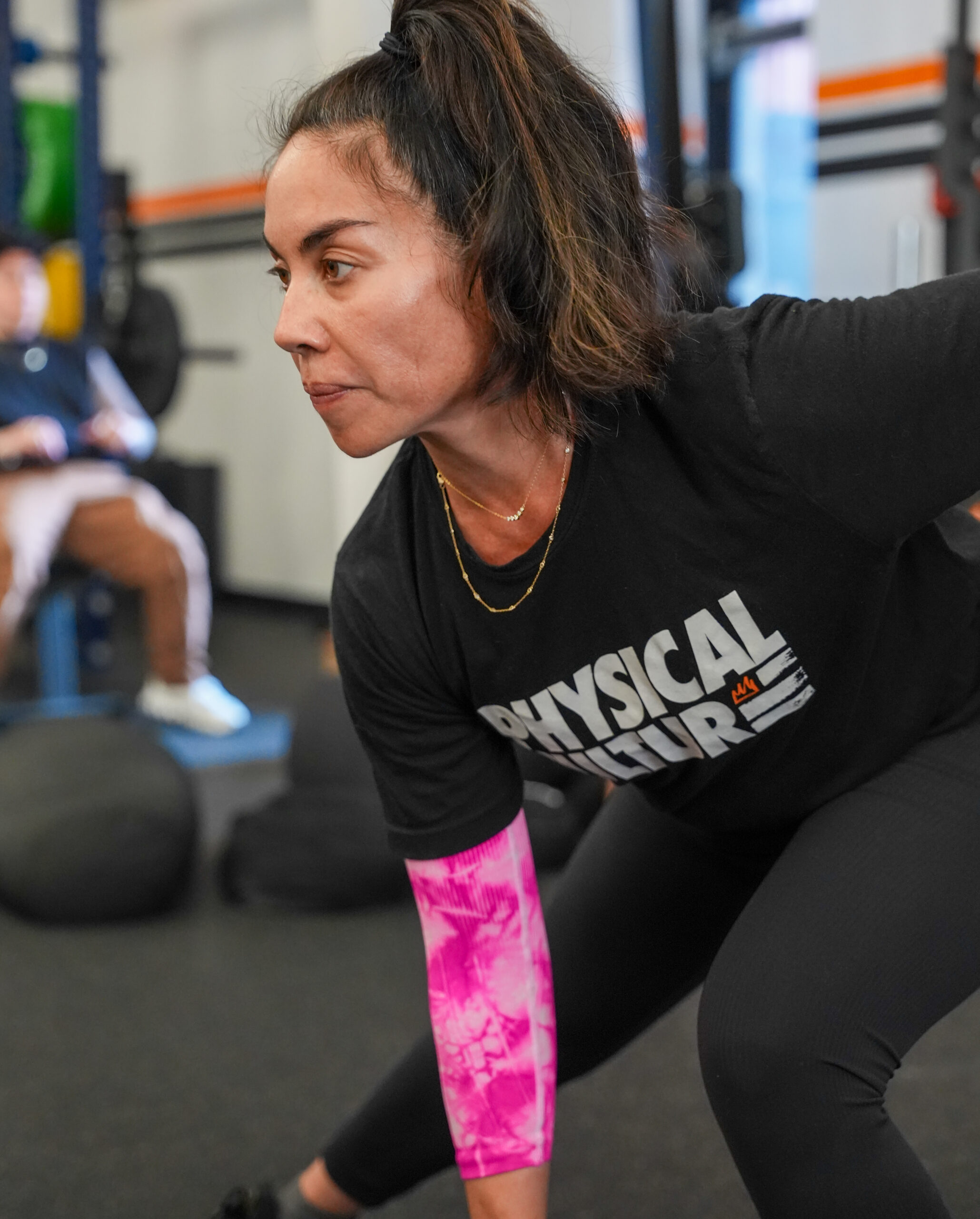
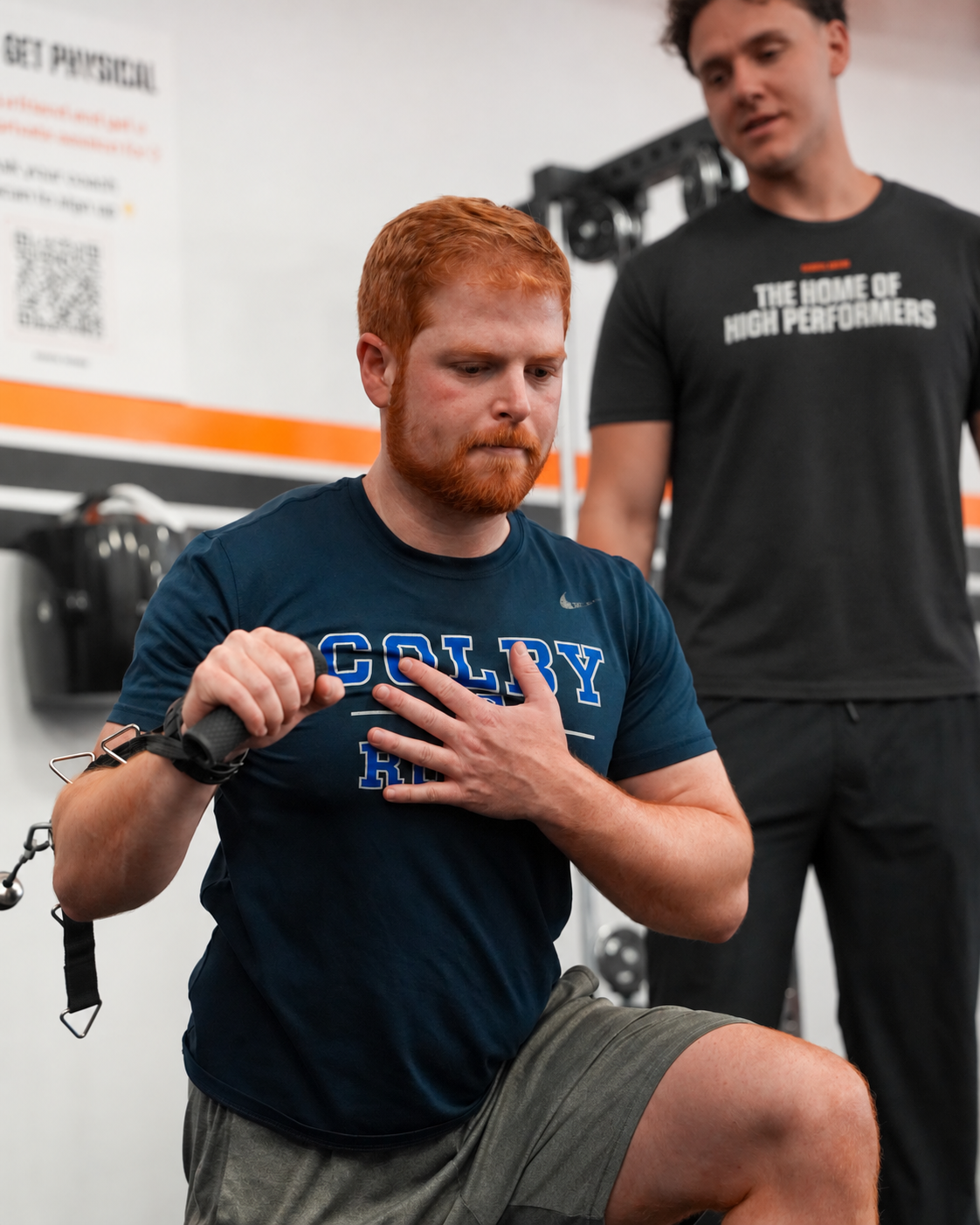
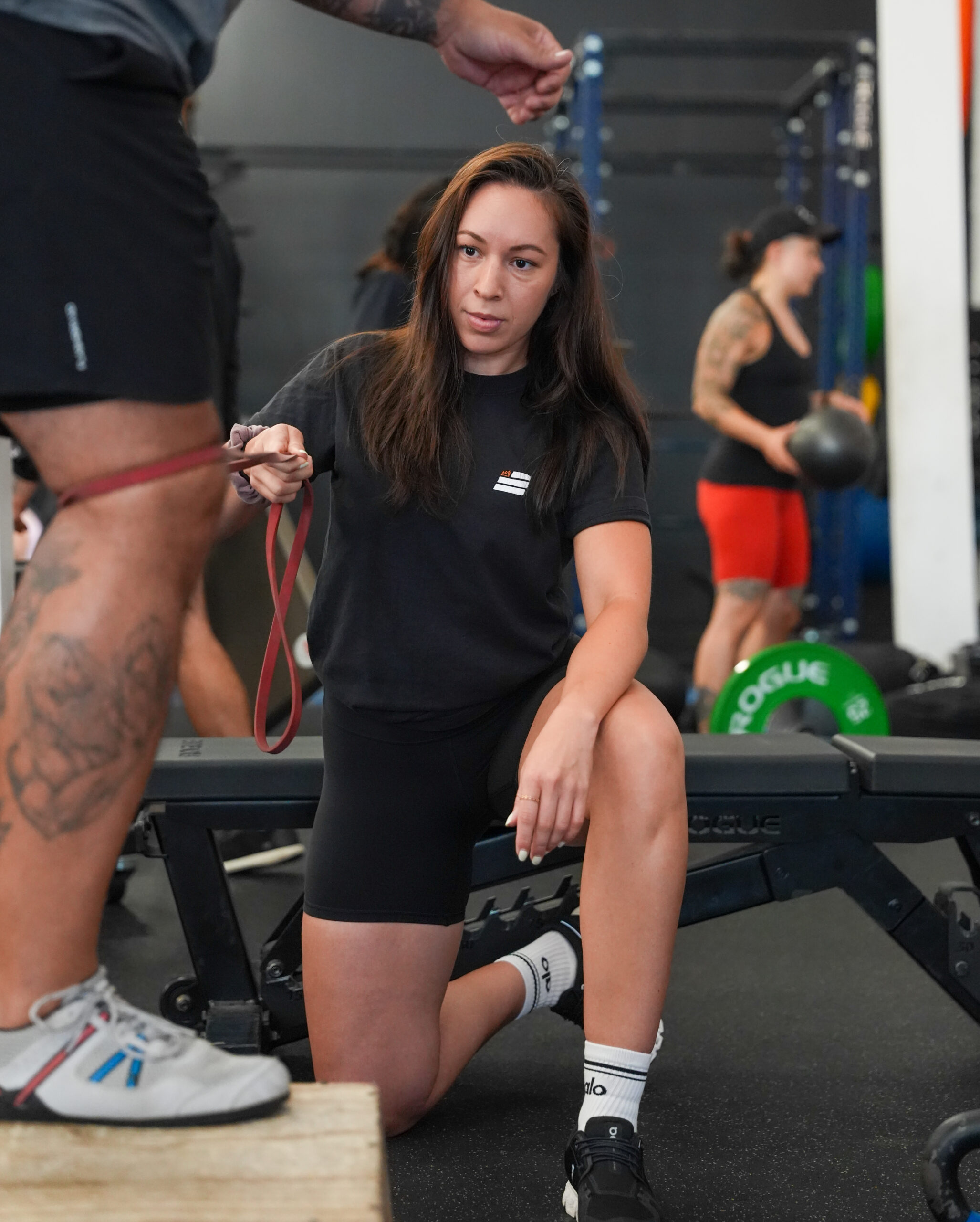
Our coaching team meets you where you are, not where a template says you should be. Coaches like Abby, our board-certified physical therapist, Chantel, and John have coached clients through conditions most Brooklyn gyms turn away. The assessment identifies your constraints, your strengths, and your opportunities, and the program is built to flex: some days your coach pushes, some days your coach pulls back. That judgment, week to week, is the coaching.
Chronic pain or diagnosis, there is a way forward when the constraint is managed well. If yours is not here, ask.
Chronic low back pain, disc degeneration, and scoliosis.
Sciatica and nerve-related pain, including a nervous system turned up too loud.
Arthritis, tendinitis, tendinosis, and bursitis, anywhere they show up.
High blood pressure, insulin resistance, diabetes, and cardiovascular conditions.
POTS, Crohn’s, autoimmune and nervous system disorders, with your doctors and physical therapist in the loop.
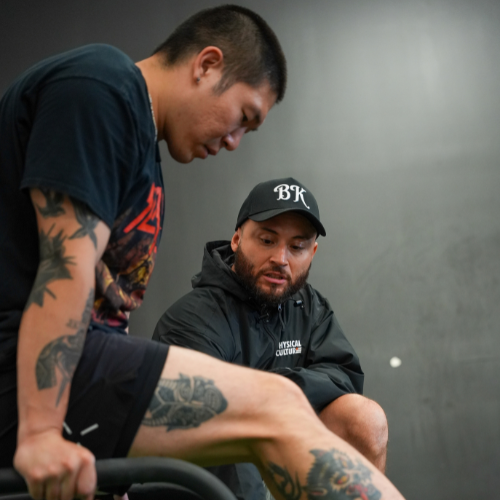
A free call with Brian, our founder. Your condition, your history, what has and hasn’t worked.
Your coach measures what you can handle and what you can’t. Strength, movement quality, and above all, your constraint.
A program built around your condition and your flare patterns. Coordinated with your providers.
We retest and expand what your body tolerates. Everything points to one place: a body that can do more.
For most people, movement wins. Circulation and blood flow are what healing runs on, and if your body feels better once you warm up, that is a strong sign movement is your medicine. The working rule at Physical Culture Brooklyn: pain around a 2 or 3 out of 10 during training is manageable but creeping toward a 5 means we back off. That call, push or pull back, is what your coach is for. Past a point, rest is not helping you.
Often, yes. Exercise is one of the most consistently recommended treatments for chronic low back pain. There is no single back-safe exercise everyone needs. Most chronic back pain sits on top of weakness, often an underdeveloped posterior chain or plain deconditioning from desk life, so we adjust load and range around how your back responds, then expand what it tolerates. The goal is a back that stops treating normal life as a threat.
Often, but nerve symptoms get more respect than muscle soreness. Some people tolerate walking and strength work well; others need different positions and loads while symptoms settle, and we watch whether yours are stable, improving, or spreading. New or progressive weakness, numbness around the groin, or loss of bowel or bladder control is a medical evaluation, not a harder workout.
Usually, and the right loading is often part of the treatment: exercise is strongly recommended for arthritis, and progressive loading is central to rehabbing tendinopathy. An inflamed joint or irritable tendon changes today’s dose without changing the long-term goal. We do not treat painful tissue like glass, and we do not pretend symptoms don’t matter. We find the stress you can adapt to and build it.
Unless your physician has specifically said so, probably not. Movement, circulation, and muscle are positives for nearly everyone. You will flare at some point, and that is expected: we adjust, we don’t abandon. What it runs on is honesty, with yourself and your coach, because your condition is a moving target and we program around what you tell us.
The mistake is boom-and-bust: everything on a good day, flare, stop completely, start over. We build a training floor you can hold even in a bad week, then rebuild as symptoms settle. The program adapts day to day. Your coach cannot read your mind, so flares get talked about, and sleep, stress, and travel move your patterns as much as training does. We coach both sides.
For most people, yes, with your doctor’s clearance, and it is one of the best things you can do: both cardio and strength work improve blood pressure and capacity. But heart condition covers a huge range, so we build around your clinician’s plan rather than improvising one, which is why we recommend training one-on-one, intensity titrated carefully. The answer is rarely fragility. It is the right dose.
Yes. Current guidelines specifically recommend resistance training alongside cardio for most adults with type 2 diabetes: better glucose control, body composition, and strength. Medications, glucose responses, and complications like neuropathy change how we manage the training, so your medical team manages the disease, and we build the strength and conditioning around it.
Yes, and the honest version is that it is day by day. We have coached clients through POTS, Crohn’s, and autoimmune conditions: some days you push, some days you sit down for half the session, and that still counts. Research supports exercise for conditions like POTS, but knowing where your line is on a given day is genuinely hard, and that is precisely what a coach is for.
Both, and the first one is real. Tissue tolerance adapts, and so does the nervous system: a lot of chronic pain is guarding, a system stuck on high alert, and graded training teaches it to lower its defenses. Pain that took years to develop takes time to undo, and pace varies with genetics, lifestyle, and consistency. But as capacity rises, pain generally falls. It is a process, not a verdict.
Every client starts with a free 15-minute consult call. Bring the diagnosis, the history, and whatever you have been told. We’ll build around it.
Smart. Before you spend a dollar, take our free 5-minute fitness evaluation. We’ll send back your three biggest priorities and what to do about them. You might find out you don’t need us at all.
Take Our Free Fitness Evaluation
Already know you want to talk? Book a free consult.
