How It Works

MEASURE, PROGRAM, RETEST.

Here’s exactly how coaching works. The steps are the system. The judgment between them is the coaching.

The Process

ONE PROCESS.
YOUR OWN PROGRAM.

Nobody trains here before we know what we’re working with, and nobody stays on a program we can’t prove works.

Step 1: The Consult Call

A free 15-minute call. Not a sales pitch. We go through your training history, your goals, and whatever has gotten in the way so far. By the end, we both know whether this is a fit, and if it is, which coach you’ll be working with.

Step 2: The Physical Assessment

An hour on the floor with your coach. Training, medical, and lifestyle history, then screening: body composition, mobility, injury risk, athletic baseline. Nothing gets written until this hour is done. You walk out with numbers instead of an opinion.

Step 3: The Program

Your coach builds your program off your assessment, not a template. Training, nutrition, and recovery, adjusted as you go. Every session is coached, either 1-on-1 or during coached open gym, so someone is always watching your reps and keeping the progression honest.

Step 4: The Retest

At least quarterly, sooner if your situation calls for it. Same tests, same equipment. Then the conversation about what moved, what didn’t, and what changes: the next cycle, or the goal itself. Your program moves with your life.

Why Coaching Matters

YOU CAN'T SEE YOUR OWN BLIND SPOTS.

Bandwidth is what your life allows. Effort is what you put in. A coach manages both, so capacity grows.

You’re too close to your own life to read it: the deadline week, the new baby, the bad sleep, the stress you’ve normalized. So on your own, effort follows your mood. Push past your bandwidth for too long, and you burn out. Stay too far below it, and you’re spinning your wheels. A coach is the check you can’t be for yourself: pushing when life allows it, pulling back when it gets busy, and keeping you close to the line without crossing it. Do that for a year, and capacity gets built.

The Baseline

THE PHYSICAL ASSESSMENT.

Every client gets the same baseline: body composition, grip strength, and a movement screen. Force and jump testing are added when your goals call for them.

Body Composition

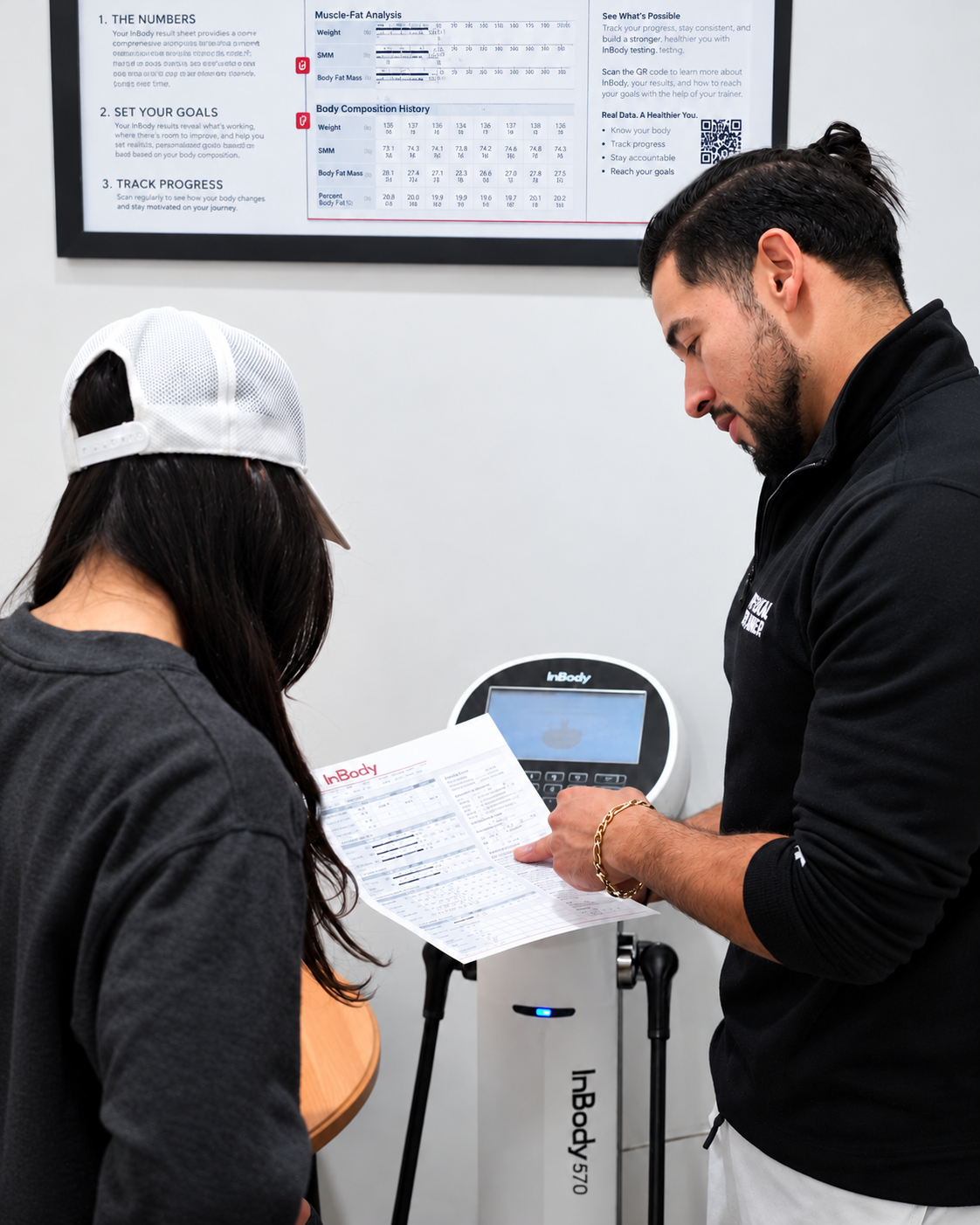
INBODY 580

Muscle mass, body fat percentage, hydration, and visceral fat, broken out arm by arm, leg by leg, trunk included. Not a scale number. This is how much muscle you have and where it actually sits, and it’s the scan every future one gets measured against.

Body Composition & Grip Strength

INBODY 580 + INGRIP

Muscle mass, body fat percentage, hydration, and visceral fat, broken out arm by arm, leg by leg, trunk included. Not a scale number. This is how much muscle you have and where it actually sits, and it’s the scan every future one gets measured against.

Movement Quality & Injury Risk

MOVEMENT SCREEN

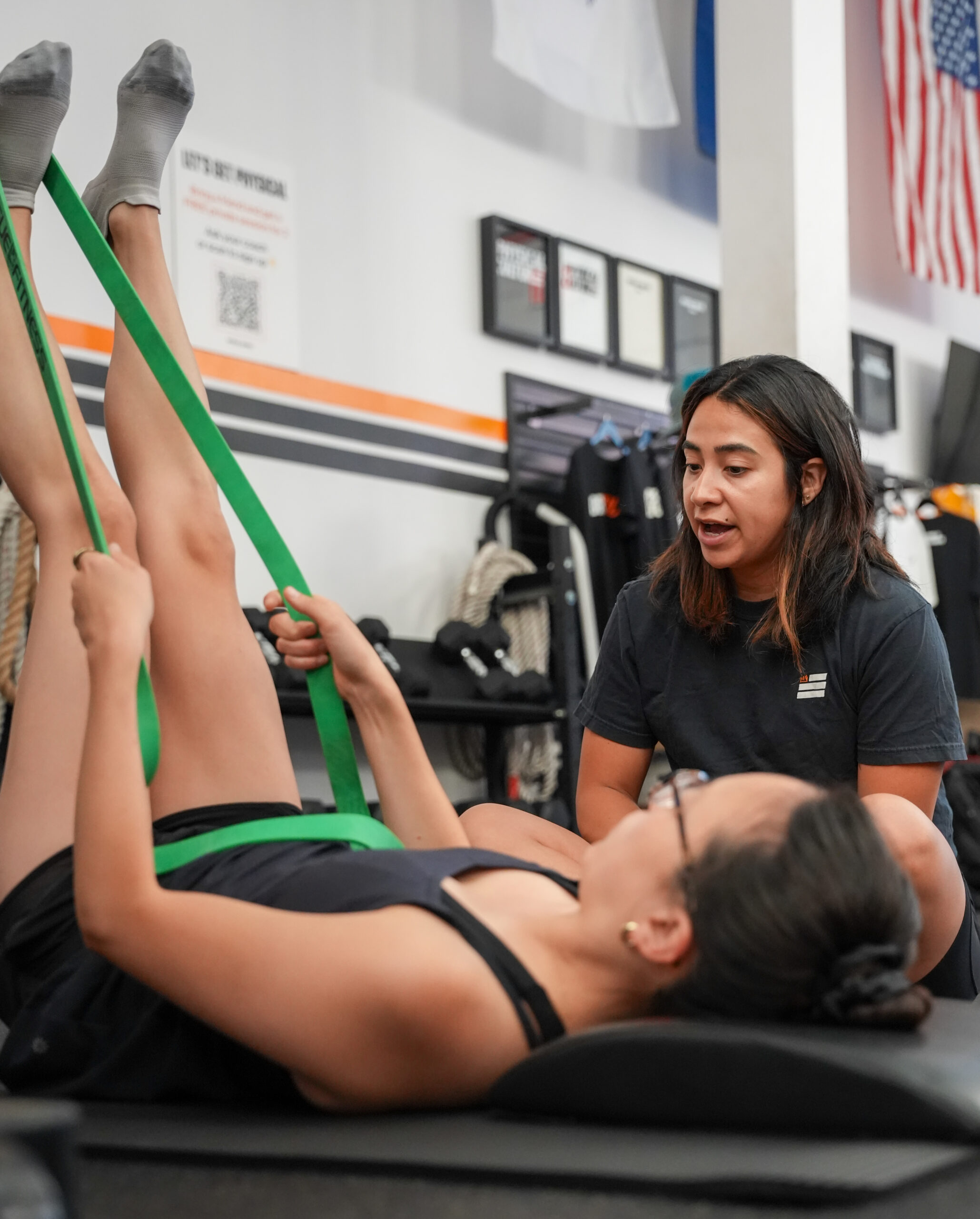
We begin with a Functional Movement Screen plus manual athletic testing. We’re mapping where you’re strong, where you’re unstable, and what’s driving any pain you’re experiencing.

Force & Range of Motion

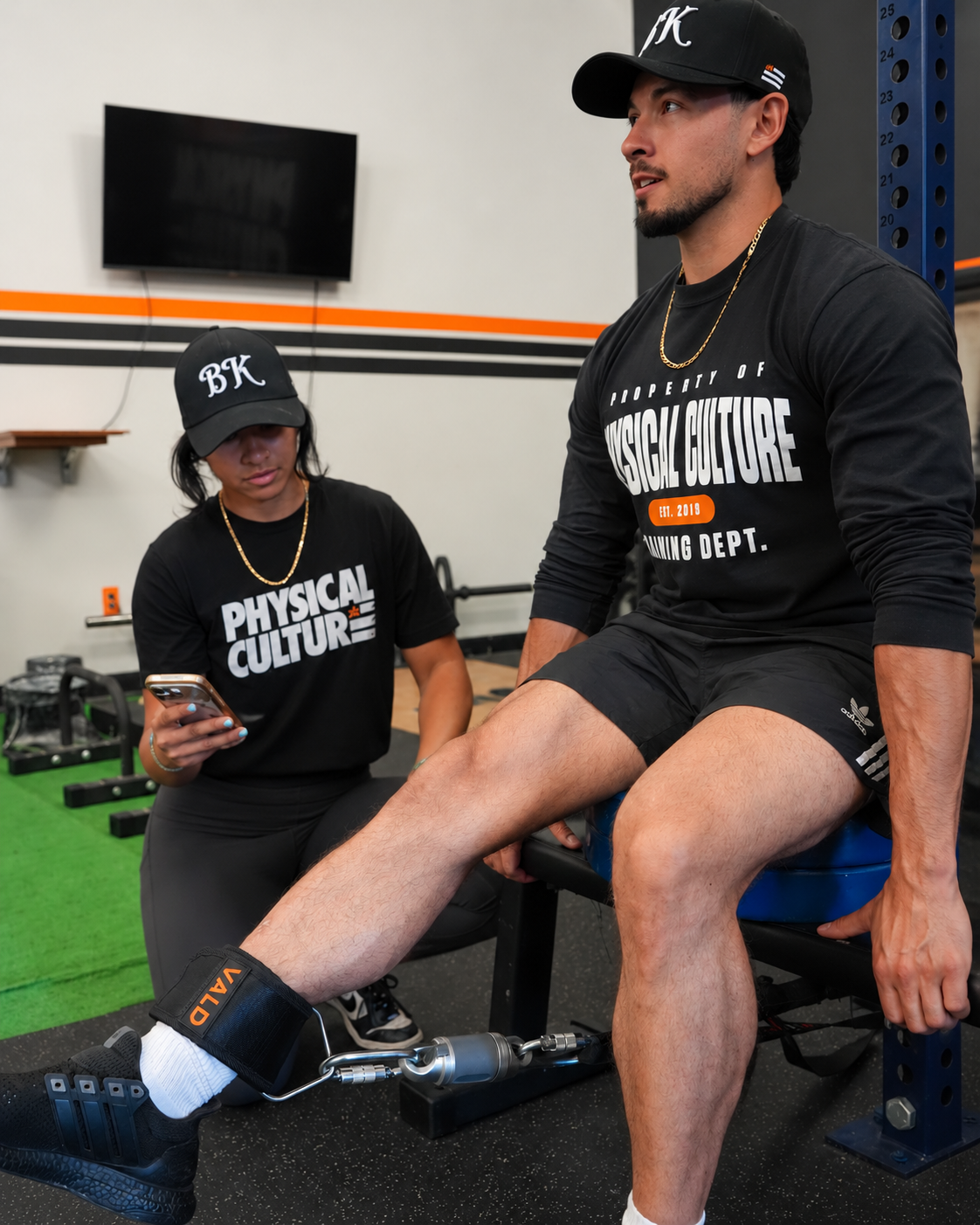
VALD DYNAMO MAX

Isometric strength testing, including the mid-thigh pull and belt squat, plus range of motion. It’s safe enough to use throughout rehab, so you can watch your strength come back.

Jump Height & Reactivity

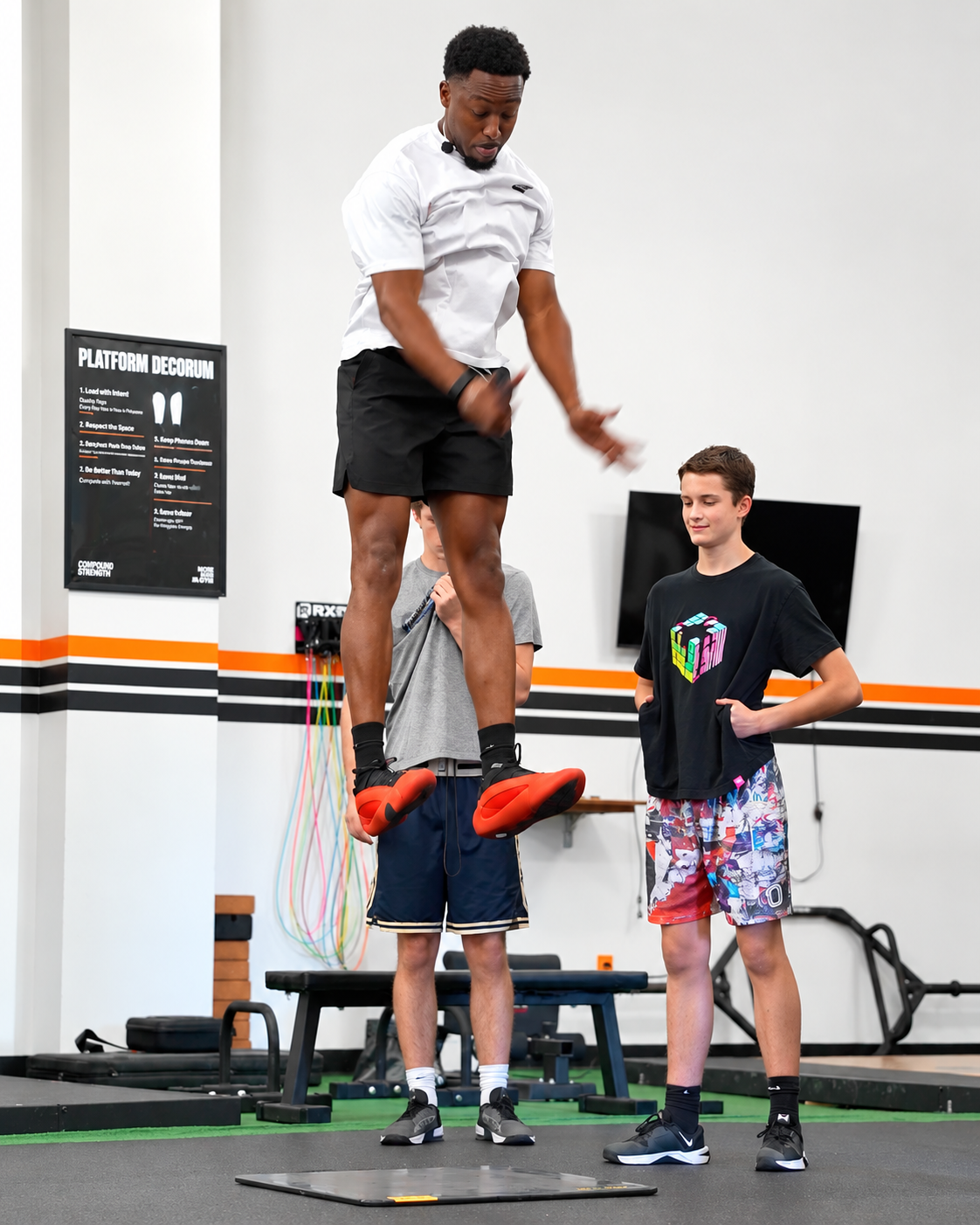
SKYHOOK JUMP MAT

We test countermovement jumps for explosive power, repeated jumps for reactivity, and single-leg jumps to find side-to-side imbalances.

The Coaching

DATA INFORMS.
COACHES DECIDE.

Your assessment isn’t a report you read once and file. Your coach reads it, decides what matters first, and builds your program in CoachRx against those numbers. Every session exists on paper before you walk in: the movements, the loads, and the reason each one is there.

A program that lives in CoachRx instead of in one coach’s head is one you can train on your own, run with any coach on the team, and rebuild every quarter off your last retest. Your lead coach owns it either way.

01

Your Numbers Go In

Every test from your assessment, and every retest after it. This is the raw material.

02

Your Program Gets Written

Your lead coach writes each cycle against those numbers: training, nutrition, and recovery, every session on paper before you walk in.

03

Your Coach Adjusts It

Every block gets rewritten as your numbers, your life, and your bandwidth change. The program is never finished.

Our Specialties

WORK WITH A SPECIALIST, NOT A GENERALIST.

Pick your primary focus. Your coach handles the rest.


  • Sport & Competition: Field, court, combat, and rotational athletes.

  • Functional Fitness and Strength Sports: CrossFit, HYROX, Olympic lifting, endurance.

  • Youth Athletic Development: Teen athletes, built from the ground up.

  • Injury and Post-Surgery Rehab: Picking up where physical therapy left off.

  • Chronic Pain and Chronic Conditions: Training with a diagnosis, not around it.

  • Pregnancy, Postpartum, and Pelvic Floor: Strong through pregnancy, rebuilt after.

  • Body Composition and Hypertrophy: Muscle, fat loss, and looking like you lift.

  • Medical Wellness Support: GLP-1, TRT, HRT, and menopause.

  • Longevity and Healthspan: Strength, energy, and independence for the marathon of life.
Common Questions

FREQUENTLY ASKED QUESTIONS

The exercises are the easy part. Put three people on the identical program: one trains 1-on-1, one in coached open gym at Physical Culture Brooklyn, and one alone at a big-box gym. Same program, wildly different results, because the intensity, the adjustments, and the intent are different. Coaching is what turns a program into progress: deciding what to push, when to pull back, and what comes next. That judgment is most of what you’re paying for.

An intake first, then three tests for everyone: body composition on the InBody 580, grip strength, and a functional movement screen. Athletes add force and jump testing, and anyone can request it. The point is more ways to win. Most people overfixate on one number, usually the scale; we track many, so progress shows up wherever it is actually happening. The numbers inform the program. They do not write it by themselves.

Two to three sessions a week is the sweet spot for most clients, and the ones doing one or two private sessions weekly consistently outperform the ones doing none. You get out what you put in, and the coaching doesn’t stop at our four walls: nutrition, lifestyle, sleep, mindset, the stuff that decides whether the training works. Gym access comes with every program, so stretch a package however your life needs, one session a week or three, and change it as the goal changes.

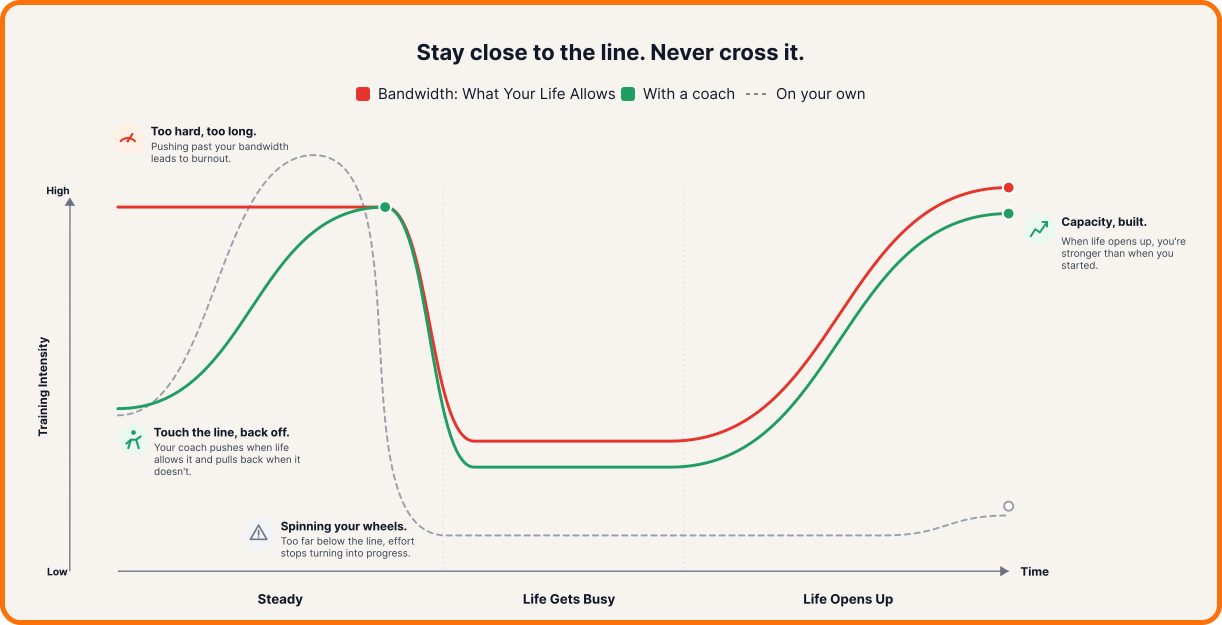
We adjust it. A good program is not so fragile that one bad week breaks it. Your coach’s job is reading where your bandwidth is and modulating effort against it: some seasons we push, some seasons we protect the habit until life opens back up. Consistency is the goal. The plan has structure; the dose fits the person standing there that day.

We measure it. Every session produces training data, and we retest at least quarterly, sooner when the test is simple, to confirm the work is producing the adaptation we wanted. Strength should move, work capacity should climb, body composition should trend. Not every number moves every week, which is why we read trends, not one good or bad day. Measure, program, retest.

You get a lead coach who owns your program, not a schedule you are trapped in. Every coach works from the same system, with a primary and secondary department, and they collaborate constantly, so a backup coach can run your sessions when schedules collide, and a different set of eyes on you is a feature. If the fit or the phase changes, the coach can change. Your program and history come with you.

Then the program changes; you are not switching departments so much as switching goals, and we make that transition seamless. Rebuild after an injury, chase a competition, then train for the long run: the baseline, the data, and the coaching relationship all carry forward. You do not start over. Your program evolves because you do.

Even pro athletes have coaches. But here’s the honest version: the best program is one made for you that you’ll do consistently because you enjoy it, here or anywhere else. That’s the whole secret. What coaching solves is everything around it: whether you’re pushing the right thing, progressing or repeating, still showing up in month eight when motivation quits. You can’t see your own blind spots from inside your own life. If you’re working toward something specific, you’ll get there faster with a coach.

No, and we would rather you didn’t need to. The goal is capability, not dependence: teach you to fish, so you develop a physical culture of your own that outlasts any package. Some clients stay for years because the programming and accountability are worth it handled; others need a focused season to learn, rebuild, or reach a goal. Scale sessions up or down anytime. The relationship lasts as long as it keeps adding value.

READY FOR STEP ONE?

Step one is a free 15-minute call. Tell us your goals and your history, and we’ll give you an honest answer on whether we can help.

Train Smart. Live Strong. |

NOT SURE IF YOU NEED A COACH?

Smart. Before you spend a dollar, take our free 5-minute fitness evaluation. We’ll send back your three biggest priorities and what to do about them. You might find out you don’t need us at all.

Take Our Free Fitness Evaluation

Already know you want to talk? Book a free consult.