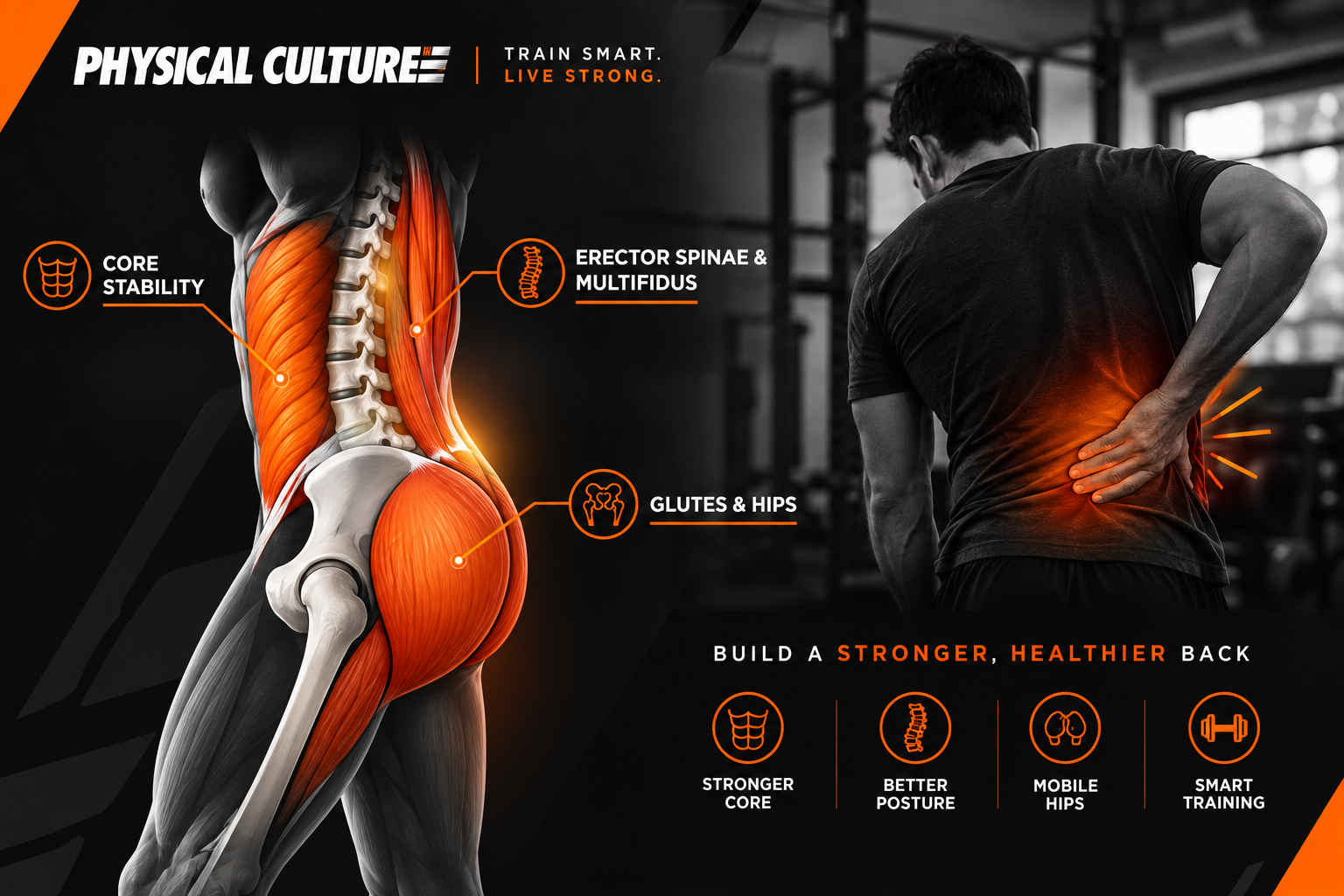
If you’re losing weight on Ozempic or Wegovy, you can prevent most of the muscle loss that comes with it. The research on how to prevent muscle loss on Ozempic is clear: consistent strength training on GLP-1 medications, enough daily protein, and a slower rate of weight loss protect the muscle you’ve worked to build. Here’s exactly how I train clients through it at Physical Culture in Brooklyn.
Why Ozempic and Wegovy Can Cause Muscle Loss?
Ozempic and Wegovy are GLP-1 medications built around semaglutide, and they work by reducing appetite and slowing digestion so you eat less. That’s the whole mechanism. The medication itself does not target fat specifically. When your body drops weight quickly, it pulls from both fat stores and muscle tissue at the same time, and without a strong enough signal telling your body to hold onto muscle, a meaningful share of that weight loss ends up being lean mass instead of fat. GLP-1 muscle loss is one of the most talked about Ozempic weight loss side effects, and for good reason.
According to Cleveland Clinic, semaglutide muscle loss isn’t caused by the drug’s mechanism itself, it’s a byproduct of rapid weight loss in general, which is exactly why trispeptide muscle loss shows up the same way with medications like Monjaro and Zepbound. The good news is that this is a well understood, preventable outcome, not an unavoidable side effect.
This is the exact problem I built my body composition coaching program around. If you want a full breakdown of how I structure that process for GLP-1 clients specifically, my body composition coaching page walks through the assessment, scan, and program design step by step.
How Much Muscle Do You Actually Lose on Ozempic or Wegovy?
Muscle loss on Wegovy tracks closely with muscle loss on Ozempic because both medications are built on the same semaglutide compound. The numbers here matter because they change how seriously you should take strength training. Here’s what current research shows:
| Metric | What the Research Shows | Source Type |
| Share of weight lost that is muscle | Up to 40% of total weight lost on GLP-1 therapy can come from lean muscle mass | Clinical research |
| Muscle loss over 68-72 weeks | Participants lost 10% or more of muscle mass in year-long clinical trials | Clinical trial data |
| Impact of resistance training | Structured resistance training can reduce muscle loss by up to 30% during GLP-1 therapy | Peer-reviewed research |
| Working with a coach or trainer | Clients who train with a professional retain roughly 70-85% of muscle mass while losing weight | Clinical research |
A widely cited 2024 analysis by Neeland and colleagues found that clients who trained with a fitness professional during GLP-1 therapy kept significantly more of their lean mass than those who didn’t train at all. Losing lean body mass on GLP-1 therapy at the rates above can also accelerate sarcopenia, the age related decline in muscle that researchers studying sarcopenia and weight loss warn makes results harder to maintain long term. In my own coaching practice, this tracks with what I see week to week: the clients who show up for structured sessions maintain strength even as the scale keeps moving.
The 4 Pillars of Muscle Preservation on GLP-1 Medications
I build every GLP-1 client’s plan around four things. Skip any one of these and you’re leaving muscle on the table.
1. Strength Train at Least 2 to 3 Times a Week
Resistance training is the single strongest lever you have. Lifting weights, using resistance bands, or doing bodyweight strength work sends a direct signal to your body: this tissue is being used, keep it. I program full-body compound lifts (squats, hinges, presses, rows) because they recruit the most muscle per session, which matters when you’re training on a calorie deficit and don’t have unlimited recovery capacity.
You don’t need to train every day, and you don’t need to train to exhaustion. Two to three focused full-body sessions a week is enough to meaningfully protect muscle mass, according to Cleveland Clinic’s guidance on GLP-1 and exercise.
2. Hit Your Protein Target Every Day
Adequate protein intake for muscle preservation is the second lever. Protein gives your body the raw material to repair and hold onto muscle while you’re in a deficit. U.S. News & World Report Health cites a target of roughly 1 gram of protein per pound of lean body mass as a reasonable starting point for people on GLP-1 medications who are trying to preserve muscle.
Since GLP-1 medications suppress appetite, many of my clients genuinely struggle to eat enough, not too much. I spend as much coaching time on “how do we get more protein into a smaller appetite” as I do on the training plan itself.
3. Slow Down Your Rate of Weight Loss
Faster weight loss generally means a higher percentage of that loss comes from muscle. If your rate of loss is aggressive, talk to your prescribing doctor about pacing, and treat your training and nutrition as non-negotiable during that window, not optional extras.
4. Track Body Composition, Not Just the Scale
The scale can’t tell you what you’re losing, only how much. A body composition scan, which for my clients means an InBody scan at my Brooklyn gym on the InBody 570, breaks down exactly how much of your change is fat versus muscle, which is the only way to know if your training and nutrition plan is actually working.
What a Body Composition Coaching Program Adds That the Gym Floor Doesn’t
Most people starting Ozempic or Wegovy are focused entirely on the number on the scale, which I understand completely. But a body composition coaching program flips that focus toward what actually determines how you look, feel, and function once the weight is off.
- A body composition scan every few weeks so you can see fat loss versus muscle loss in real numbers
- A strength program built specifically around your current recovery capacity while eating in a deficit
- Protein and nutrition guidance that fits a suppressed appetite instead of fighting it
- A coach adjusting your plan as your energy, hunger, and strength change month to month
If you’re deciding between joining a coached open gym environment or working 1-on-1, my coached open gym program is a good fit once you already have a program in place and want floor support while you execute it.
As a body composition coach in Brooklyn, my approach centers on hypertrophy training, which is a fancy way of saying muscle-building work designed to change how your body is made up, not just what it weighs. This is the same method I use across our hybrid personal training gym for clients who want 1-on-1 body composition coaching rather than a generic weight loss plan. Whether you’re searching for a Gowanus personal trainer or a fat loss coach in NYC more broadly, the same principle applies on GLP-1 medications: a personal trainer for body composition should be building your program around muscle retention first, weight loss second.
This is also why high performer fitness coaching looks a little different from a standard gym membership. Busy professionals on GLP-1 medications need a plan that accounts for lower energy some weeks and higher energy others, which is exactly what I build into every program, including the sports performance training methods I borrow for clients who want to train like an athlete even if they’ve never competed as one.
A Sample Weekly Training Structure for GLP-1 Clients
This is a simplified version of the hypertrophy training structure I use with new GLP-1 clients at my Brooklyn gym in their first month:
| Day | Focus | Why It’s Programmed This Way |
| Day 1 | Full-body strength (squat, hinge, push, pull) | Compound lifts recruit the most muscle and send the strongest “keep this tissue” signal |
| Day 2 | Active recovery or light walking | Supports appetite regulation and digestion, which GLP-1 medications already slow down |
| Day 3 | Full-body strength (different lift variations) | Repeated stimulus with variation keeps muscle adapting without overtraining |
| Day 4 | Rest or mobility work | Recovery is when muscle actually rebuilds, especially important in a calorie deficit |
| Day 5 | Full-body strength + short conditioning finisher | Third strength session hits the weekly minimum research supports for muscle retention |
This structure is intentionally conservative. GLP-1 medications can reduce energy and appetite enough that pushing too hard, too fast backfires through poor recovery, which is its own risk factor for muscle loss.
The Biggest Mistakes I See Brooklyn Clients Make on GLP-1 Medications
Doing cardio only. Cardio supports heart health, but it doesn’t send the same muscle-retention signal that resistance training during weight loss does.
- Under-eating protein because appetite is suppressed, then wondering why strength is dropping.
- Stopping strength training when energy dips, instead of simply reducing volume and staying consistent.
- Chasing the scale number and ignoring body composition data entirely.
- Waiting until several months in to start strength training, after meaningful muscle has already been lost.
Functional bodybuilding style training, which is what I specialize in with clients here in Brooklyn, is built for exactly this situation: sustainable strength work that fits around a demanding schedule and a changing appetite, without the burnout of an all-or-nothing program.
Conclusion
Muscle loss on Ozempic or Wegovy isn’t inevitable, it’s a training and nutrition problem with a well documented solution. Strength train two to three times a week, hit your protein target, track body composition instead of just weight, and don’t wait months to start. If you want a Brooklyn coach to build that plan around your specific medication, schedule, and starting point, my body composition coaching program here in Brooklyn is exactly where clients on GLP-1 medications start.
Frequently Asked Questions
Do I need to stop strength training if I feel fatigued on Ozempic?
No. Reduce the volume or intensity of a session rather than skipping training altogether. A lighter, shorter strength session still sends the muscle-retention signal your body needs, while a missed week does not.
Is cardio enough to preserve muscle on GLP-1 medications, or do I need weights?
Cardio alone is not enough. Resistance training is the primary driver of muscle retention during weight loss, and cardio should be added around it, not used to replace it.
How soon after starting Ozempic or Wegovy should I start strength training?
Ideally before you start the medication or within the first few weeks. Muscle loss tends to be highest early in treatment when weight loss is fastest, so starting strength training early protects the most muscle.
Will muscle loss reverse if I come off Ozempic or Wegovy?
Muscle can be rebuilt over time with continued strength training and adequate protein, but it isn’t automatic just because you stop the medication. The training and nutrition habits matter more than the medication status itself.
Do I need a dietitian in addition to a strength coach?
It depends on the complexity of your nutrition needs. Many of my Brooklyn clients do well with coaching-level nutrition guidance alone, but if you have a complex medical history, a registered dietitian working alongside your coach is a reasonable addition.