Park Slope might be the most fitness-minded neighborhood in Brooklyn. Prospect Park sits at your doorstep, the stroller-jogger is practically the local mascot, and every block between Flatbush and 15th Street seems to have a yoga studio, a barre class, or a boutique Park Slope gym. So why is finding a genuinely good personal fitness trainer in Park Slope still so hard?
Because most of what the neighborhood offers is workouts, not coaching. There is a real difference, and if you are a busy parent or professional trying to get strong with limited hours in the week, that difference determines whether you see results or burn out by March.
We coach hundreds of Park Slope residents at our gym in neighboring Gowanus, and this guide covers what we tell friends and neighbors searching for personal fitness training in Park Slope: what your real options are, what training costs around here, and how to pick a coach who fits Park Slope life.
What Park Slope Life Demands From a Trainer?
Park Slope has a specific rhythm. Most of the people we coach from the neighborhood share a few things in common:
Time is the scarcest resource. Between the commute, school drop-off at PS 321 or 107, and evenings that belong to family, most people have three or four realistic training windows per week, and those windows move constantly. A trainer who requires the same fixed slots every week, forever, sets you up to fail.
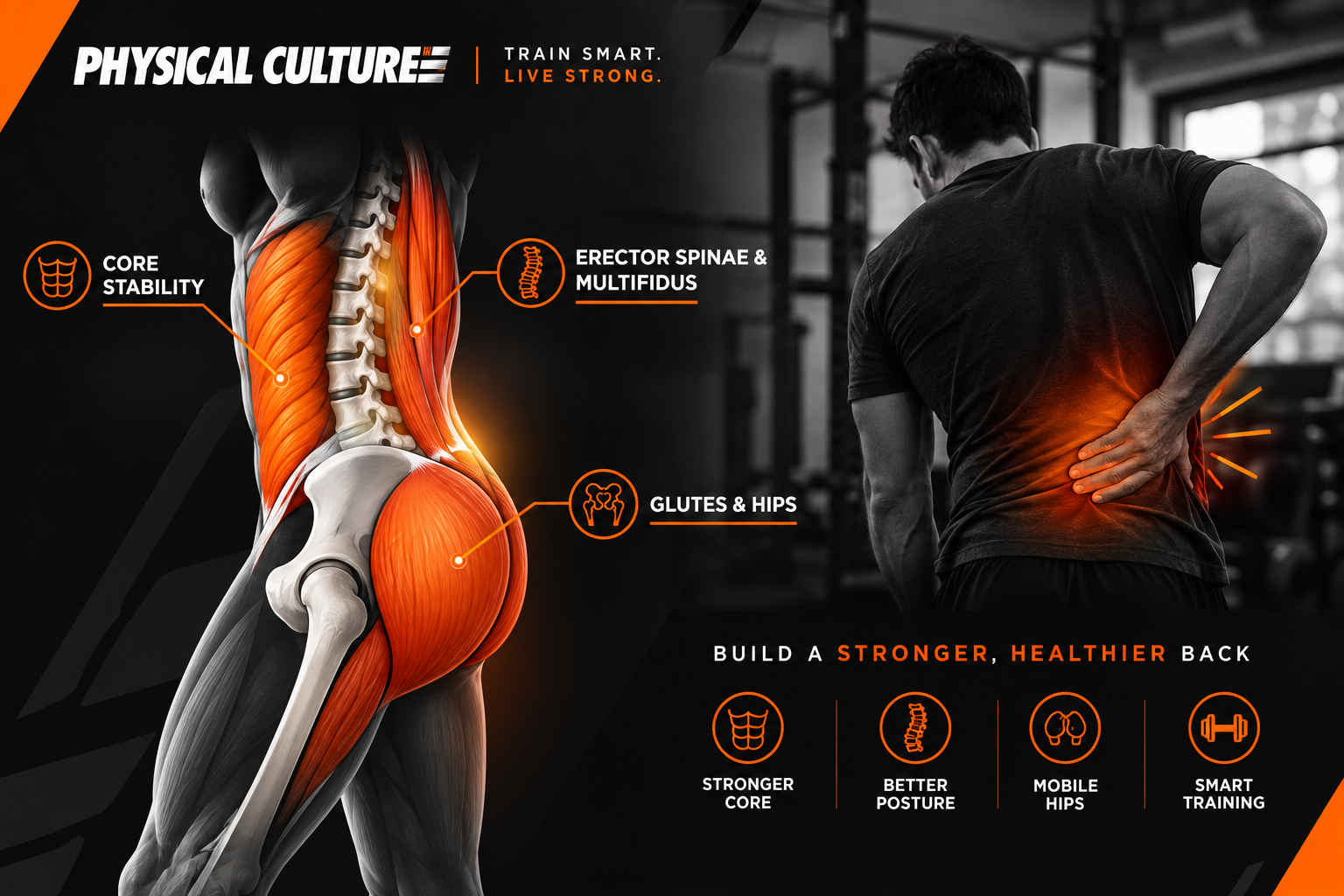
Bodies with some mileage. The typical client looking for a personal fitness trainer near Park Slope is 30 to 55, sits at a desk most of the day, and carries the usual souvenirs: a cranky lower back, tight hips, a shoulder that complains on overhead presses. Training needs to build strength around those realities, not ignore them. A proper movement screen before you start is not optional at this stage of life.
Goals bigger than aesthetics. People here want to carry a toddler up a brownstone stoop without wincing, keep up on the Prospect Park loop, stay strong through pregnancy and recover well after, and be the 70-year-old who still travels and lifts luggage into overhead bins. That takes structured strength training, not random hard workouts.
If that sounds like you, keep those three filters in mind as you evaluate every option below.
Your Personal Training Options In and Around Park Slope
Big Gym Floor Trainers
The large gyms in and around the Slope offer in-house training with membership. It is convenient and relatively affordable, but quality varies enormously, trainer turnover is high, and sessions often follow generic templates. Fine for learning basic machines. Rarely enough for a specific goal or an injury history.
Boutique Studios and Group Classes
Park Slope’s studio scene is genuinely great for energy and community. But an instructor leading 15 people cannot watch your deadlift, and the workout was written for the room, not for you. Classes make an excellent supplement to coaching. They are a poor substitute for it. We break down the tradeoffs fully in our comparison of personal training vs. group fitness classes.
In-Home Trainers
Several services send trainers to brownstone living rooms across the Slope. For new parents who cannot leave the house during nap time, this solves a real problem. The ceiling is equipment: a few dumbbells and bands will only take your strength so far. Many of our clients started with in-home training, then moved to a gym once schedules allowed, because progress had stalled.
Dedicated Coaching Gyms
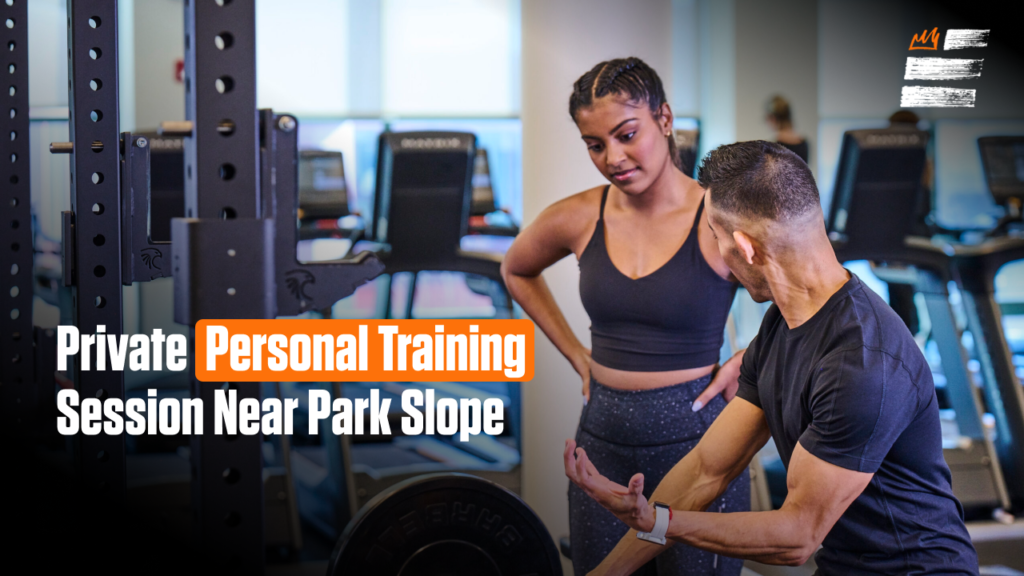
Gyms built for private personal training in Park Slope exist for one purpose: coached, programmed strength training. This is where most Park Slope residents serious about strength end up. You get a real assessment, a personalized program, and coaches whose full-time job is client results rather than membership sales. This is the option most Park Slope professionals and parents end up happiest with, and the neighborhood quirk is that most of these gyms sit just west of the Slope, in Gowanus, where industrial spaces are big enough for real equipment.
Our gym, Physical Culture Brooklyn, is one of them: a 10-to-15-minute walk from most of the Slope at 55 Ninth Street, near the 4th Ave-9th St station (F, G, R). We run a hybrid model where every client works 1-on-1 with a dedicated coach on a personalized program, then trains through a flexible mix of private sessions and coached open gym. For Park Slope schedules, that flexibility is usually the deciding factor: your program travels with you across whatever windows the week actually gives you.
What a Personal Trainer Costs Near Park Slope?
Expect these ranges in and around the neighborhood:
- Big gym trainers: roughly $80 to $110 per session, usually in packages on top of membership
- Independent and studio trainers: roughly $100 to $160 per session
- Specialist coaches (post-rehab, prenatal and postpartum): roughly $130 to $200 per session
- Hybrid coaching memberships: typically priced monthly, landing well below the cost of buying every workout as a private session
The honest math: what matters is monthly cost against monthly support. Two private sessions a week at $130 runs over $1,100 a month. A hybrid membership with the same coach contact but flexible training often costs a fraction of that. Our full pricing breakdown is in our guide to personal trainer costs in NYC.
Five Things to Check Before Hiring in Park Slope
- They assess before they train you. Movement screen, health history, and ideally a body composition scan. No assessment, no deal.
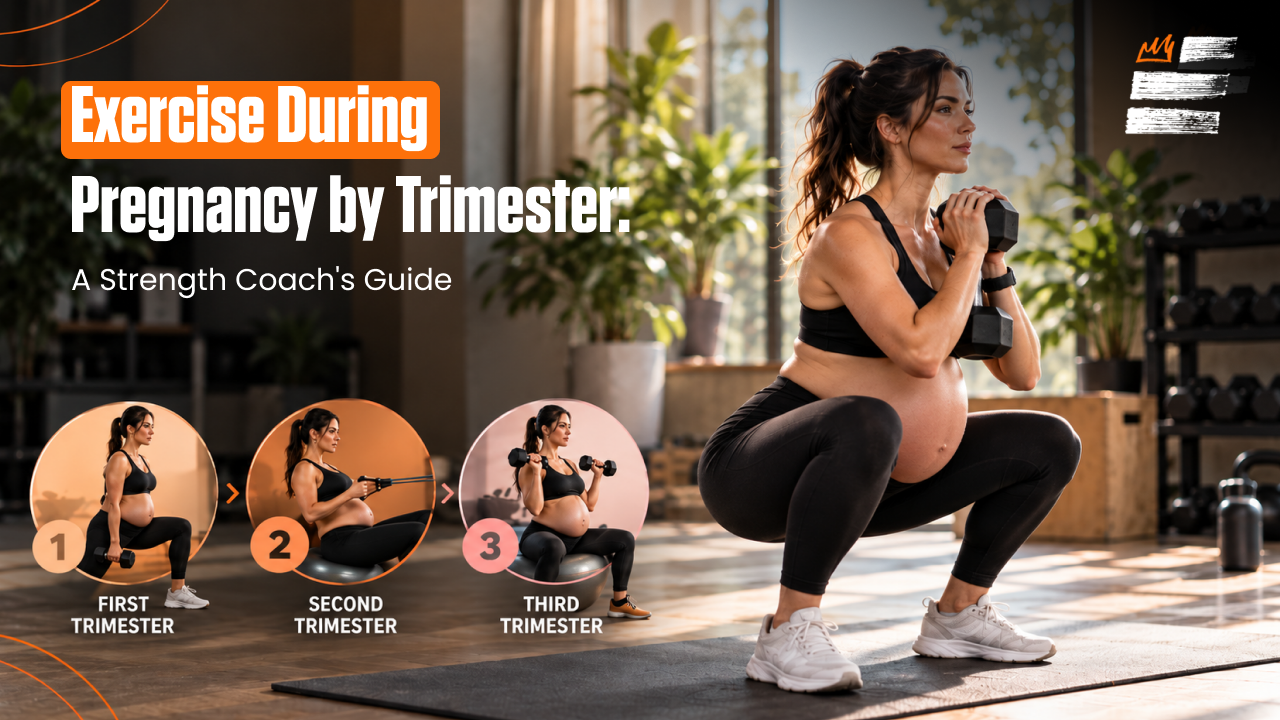
- They have clients like you. Ask specifically about parents, desk professionals, prenatal and postpartum clients, or whatever describes your situation. Park Slope is full of pregnant and postpartum women being trained by coaches with zero women’s health education. If that is you, insist on a prenatal personal trainer in Park Slope with real women’s health credentials, and read our guide to safe exercise during pregnancy first.
- Their schedule model survives your life. Ask what happens when you miss a week for a work trip or a sick kid. The answer tells you whether they coach real adults.
- They program, not just train. You should be able to see your plan, watch your numbers progress, and understand why you are doing what you are doing.
- The location passes the winter test. Be honest: will you still make this commute in February? A coach 10 minutes away beats a slightly better coach 35 minutes away, every time. For a full list of interview questions and red flags, see our complete guide to finding the right personal trainer in Brooklyn.
A Realistic Path for a Busy Park Slope Schedule
Here is the structure that works for most of the parents and professionals we coach from the neighborhood:
- Two to three strength sessions per week, 45 to 60 minutes, following a personalized program. Consistency beats volume. We designed our approach around this in our 3-hours-a-week plan for busy professionals.
- Walking and park time as your cardio base. The Prospect Park loop is 5.4 kilometers of free zone 2 work. Use it.
- Quarterly re-assessment. Body composition scan and movement re-screen, so progress is measured, not guessed.
That is enough to get meaningfully stronger, improve body composition, and fix the desk-body aches, all within a schedule that includes a real job and real kids.
Start With a Conversation, Not a Contract
Whether you found this page searching for a personal trainer in 11215 or through a neighbor’s recommendation, insist on a proper consultation before buying anything. One honest conversation and one hour on the gym floor will tell you more than any website or Instagram feed.
If you are in Park Slope and want to see how hybrid coaching works, book a free 30-minute discovery call with Brian, our owner and head coach. You will talk through your goals, schedule, and training history, and get a clear recommendation for your next step, even if that step is not with us.